Yaml
YAML is a human‑readable format used to store and structure data. It is commonly used in configuration files,data storage or transmission in applications. It is easy to write and understand.
Example Configuration
version: 1.0.1
encrypt_credentials: false
union_all_tables: true
add_dbname_column: false
use_snake_casing: true
plugins:
  extractors:
  - name: FileSystem
      connectorname: FileSystem
      schemaname:
      config:
      properties:
        storage: local
        type: yaml
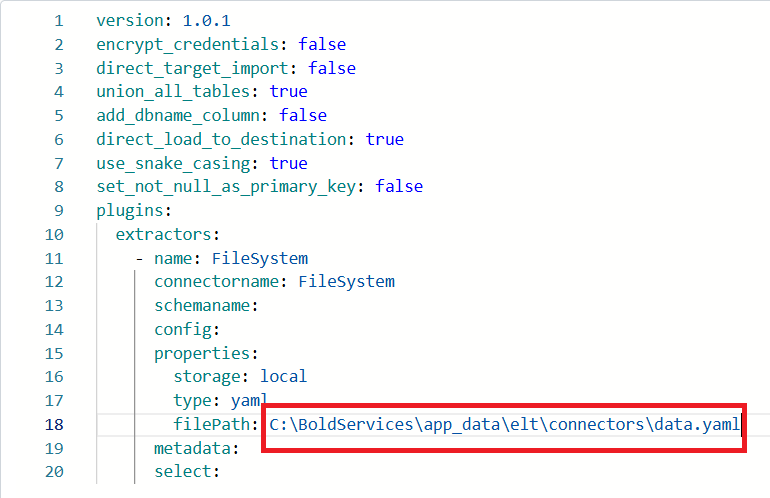
        filePath: C:\BoldServices\app_data\elt\connectors\empdata.yml
      metadata:
      select:
Configure the Bold Data Hub to connect Yaml
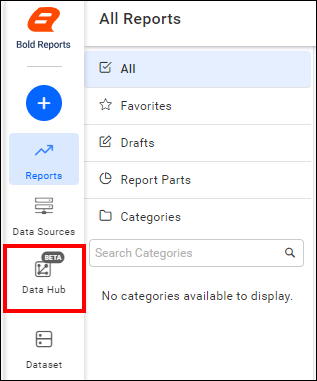
- Click the
Data Hubicon on the Navigation Pane.
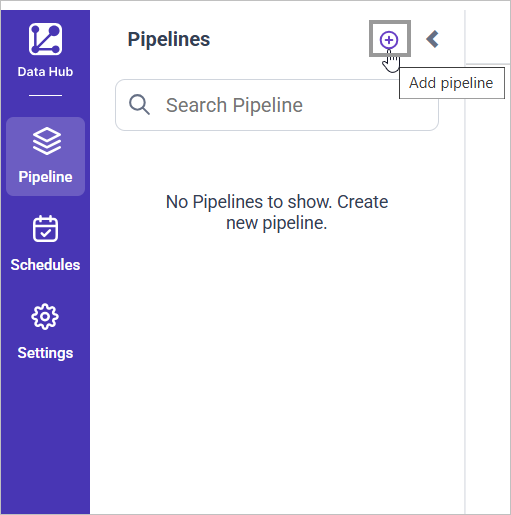
- Click
Add Pipelineand provide the new pipeline’s name.
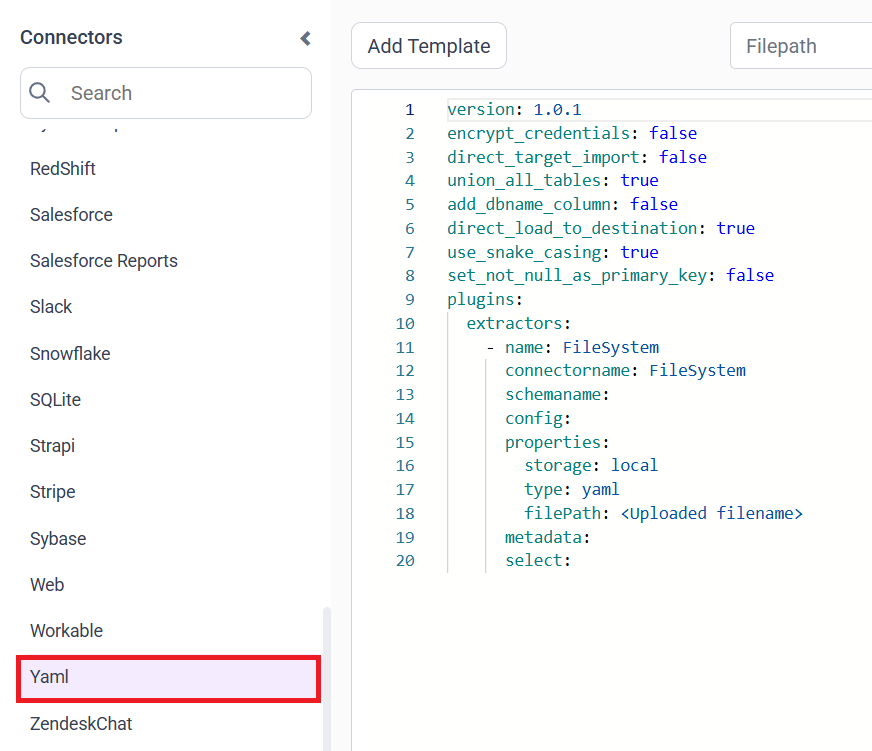
- Select the newly created pipeline and add the
Yamltemplate.
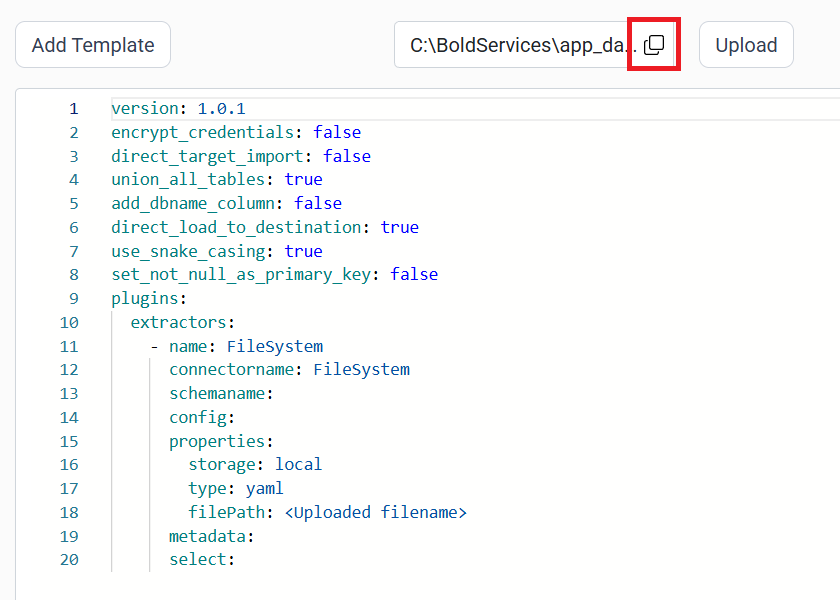
- Click the “Upload File” button to upload your Yaml file.

- Copy the filepath and replace in filePath property.
- Click Save and choose the desired destination to save the pipeline.
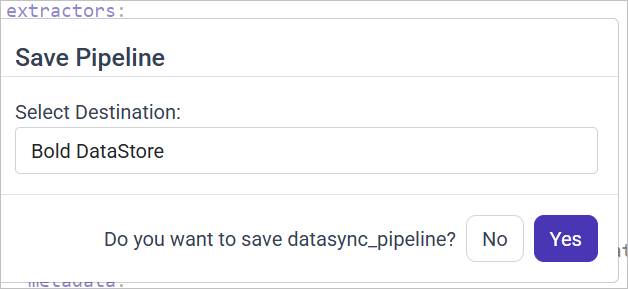
- Creating a Pipeline in Bold Data Hub automatically creates a Data Source in Bold Reports®. The Bold Reports® Data Source is a live data source to the destination database used in Bold Data Hub.

Schedule Data Hub Job
- To configure interval-based scheduling, click on the schedules tab and select the created pipeline and click on the schedule icon and configure it.


- For on-demand refresh, click
Run Nowbutton.

- The Schedule history can be checked using the history option as well as logs.
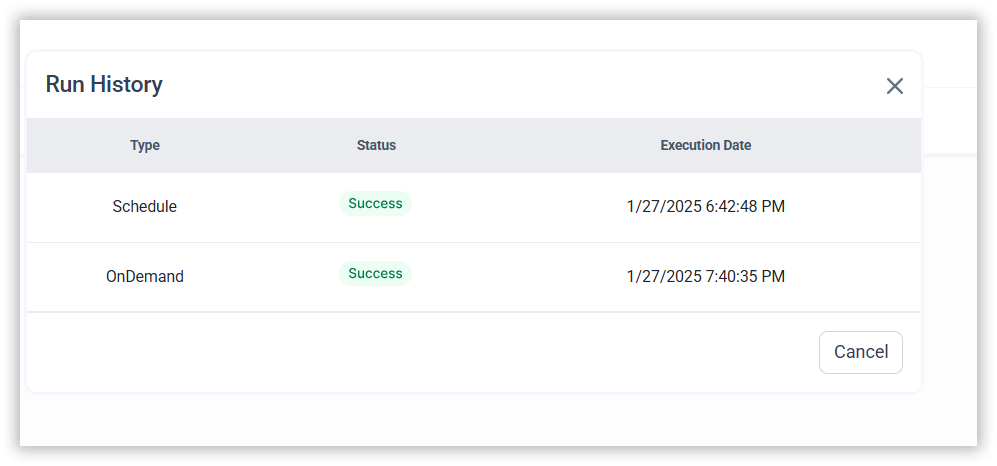
- Click on Logs to see if the run is completed and data source is created in Bold Reports®.
CONTENTS
CONTENTS
Thank you for your feedback and comments.We will rectify this as soon as possible!